
AIHA Connect University Live Online PDC: The Role of the Industrial Hygienist During an Emergency Response

Earn 3.5 Contact Hours
Standard Pricing: Member $295 | Nonmember $395 | Student $295

This Virtual PDC explores the vital role industrial hygienists play in emergency response operations through hazard identification, exposure assessment, air monitoring, risk communication, and implementation of effective worker protection measures. Participants will gain practical insights from real-world response scenarios and learn how industrial hygiene data supports informed decision-making, regulatory compliance, and responder safety.
Instructors will present strategies for quantitatively assessing chemical hazards encountered during emergency situations and evaluating potential human health risks. Participants will explore real-time air monitoring instrumentation, integrated air sampling methodologies, and predictive air dispersion modeling techniques used to characterize chemical exposures. The course also provides an overview of applicable exposure guidelines and standards, with a focus on their role in PPE selection and regulatory compliance.
Drawing on firsthand experience from multiple emergency response events, the instructors will discuss practical approaches to hazard recognition, evaluation, and control. Participants will also examine resources available to industry for assessing and managing human health risks during emergency response, including internal expertise, third-party response management, regulatory interactions, emergency drills, and site-specific contingency programs.
Learning Objectives
After this online PDC, participants will be able to:
- Identify strategies for quantitatively assessing chemical hazards and determining potential human health risks during emergency response situations.
- Analyze real-time air monitoring, integrated air sampling, and predictive air dispersion modeling approaches to evaluate chemical exposures during emergency response.
- Outline applicable exposure guidelines and standards and discuss how they inform PPE selection and regulatory compliance.
- Identify key hazard recognition, evaluation, and control strategies, as well as internal and external resources used to manage human health risks during emergency response.
Schedule (Eastern Time)
12:00 PM – Course Starts
TBD – 15-minute Break
3:45 PM – Course Concludes
Presenters

Michelle Stewart, MPH, CIH
Ms. Stewart is a Certified Industrial Hygienist and experienced health, safety, and environmental professional with Chevron. She holds a Bachelor of Science in Environmental Science from Sonoma State University and a Master of Public Health in Environmental and Occupational Health (Industrial Hygiene) from the University of California, Berkeley. She began her career with Chevron as an Occupational Hygiene intern and has held progressively responsible roles supporting health and safety across refineries, chemical plants, laboratories, drilling and production operations, and other industrial environments. Ms. Stewart's expertise includes occupational hygiene, exposure and community monitoring, emergency and crisis response, strategic planning, and development and management of occupational health and safety programs. She has also been involved in applying digital technologies and wearable monitoring solutions to improve worker health and safety, including research on real-time heat-stress and hydration monitoring. She is passionate about developing innovative solutions that advance worker and community health and has contributed to professional education and research in industrial hygiene and emerging occupational health technologies.

Dyron Hamlin, MS, PE, CIH
Mr. Hamlin is a Registered Professional Chemical Engineer and Certified Industrial Hygienist with Walmart, with more than 20 years of experience in industrial hygiene, chemical risk assessment, emergency response, and environmental engineering. His technical expertise includes air monitoring, air dispersion modeling, environmental fate and transport assessments, and engineering analyses supporting emergency response operations, transportation and industrial risk assessments, and litigation matters. Mr. Hamlin has extensive firsthand emergency response experience, having responded on-site to more than 100 major hazardous materials incidents. He has also conducted remote air dispersion modeling for more than 200 additional chemical release events and release-prevention scenarios. His work has involved evaluating chemical exposures, predicting the potential movement of hazardous substances, and providing technical information to support emergency response decisions and risk management. In addition to his emergency response experience, Mr. Hamlin has served as a technical and litigation expert in matters involving the oil and gas, chemical, manufacturing, and transportation industries, with particular expertise related to Toxic Inhalation Hazards (TIHs). He has also been retained to evaluate emerging air-monitoring technologies through field testing and to assess the fate and transport of large-scale TIH releases. His combination of field response experience, chemical engineering expertise, and industrial hygiene knowledge provides a practical perspective on assessing and managing chemical hazards during complex emergency situations.

Benjamin Chandler, CIH, CSP
Mr. Chandler is a board-certified industrial hygienist and Certified Safety Professional with more than 20 years of experience in environmental, health, safety, and emergency response. As a Senior Industrial Hygiene Consultant with GHD Services, Inc. (GHD), he is responsible for planning, conducting, and reporting exposure assessment projects for private- and public-sector clients. Mr. Chandler has served as an on-site Health and Safety Coordinator during emergency responses, developing site-specific Health and Safety Plans (HASPs) in accordance with OSHA standards and applicable environmental regulations. His experience includes developing and implementing site-specific air monitoring and sampling plans to characterize chemical exposures during emergency response activities and interpreting results from on-site exposure assessments. During emergency events, Mr. Chandler has also served as a liaison between industry representatives, Incident Command, and government regulators. He has supported regulatory communications and ensured compliance with reporting requirements established by local, state, and federal environmental agencies.
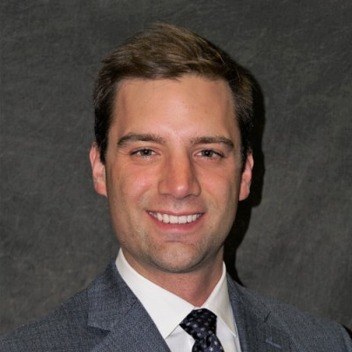
Nicholas Flolid
Mr. Flolid is an emergency response and industrial hygiene professional with GHD who specializes in emergency management, real-time air monitoring, exposure assessment, and the evaluation of chemical and hazardous material risks. He has extensive field experience supporting industrial emergency responses where rapid hazard identification and timely exposure information are critical to protecting workers, emergency responders, and surrounding communities. His experience includes developing and implementing air monitoring strategies to characterize chemical hazards, evaluate potential exposures, and support real-time decisions regarding protective actions, work-zone controls, and personal protective equipment. Mr. Flolid applies a practical, field-based approach to integrating direct-reading instrumentation, air sampling, and other exposure assessment techniques into emergency response operations. In addition to his field response experience, Mr. Flolid works with multidisciplinary response teams to evaluate evolving hazards and communicate exposure assessment findings to incident management and other stakeholders. He regularly shares his practical experience through professional presentations addressing emergency response, air monitoring, chemical hazards, and emerging industrial risks. His experience provides course participants with real-world insight into the challenges of conducting industrial hygiene assessments under the time-sensitive and changing conditions of an emergency response.
**This live event will be administered in our LMS through zoom meeting. Please view our FAQ for additional information.**